

How Sudeten German refugees created a West German violin-making centre.
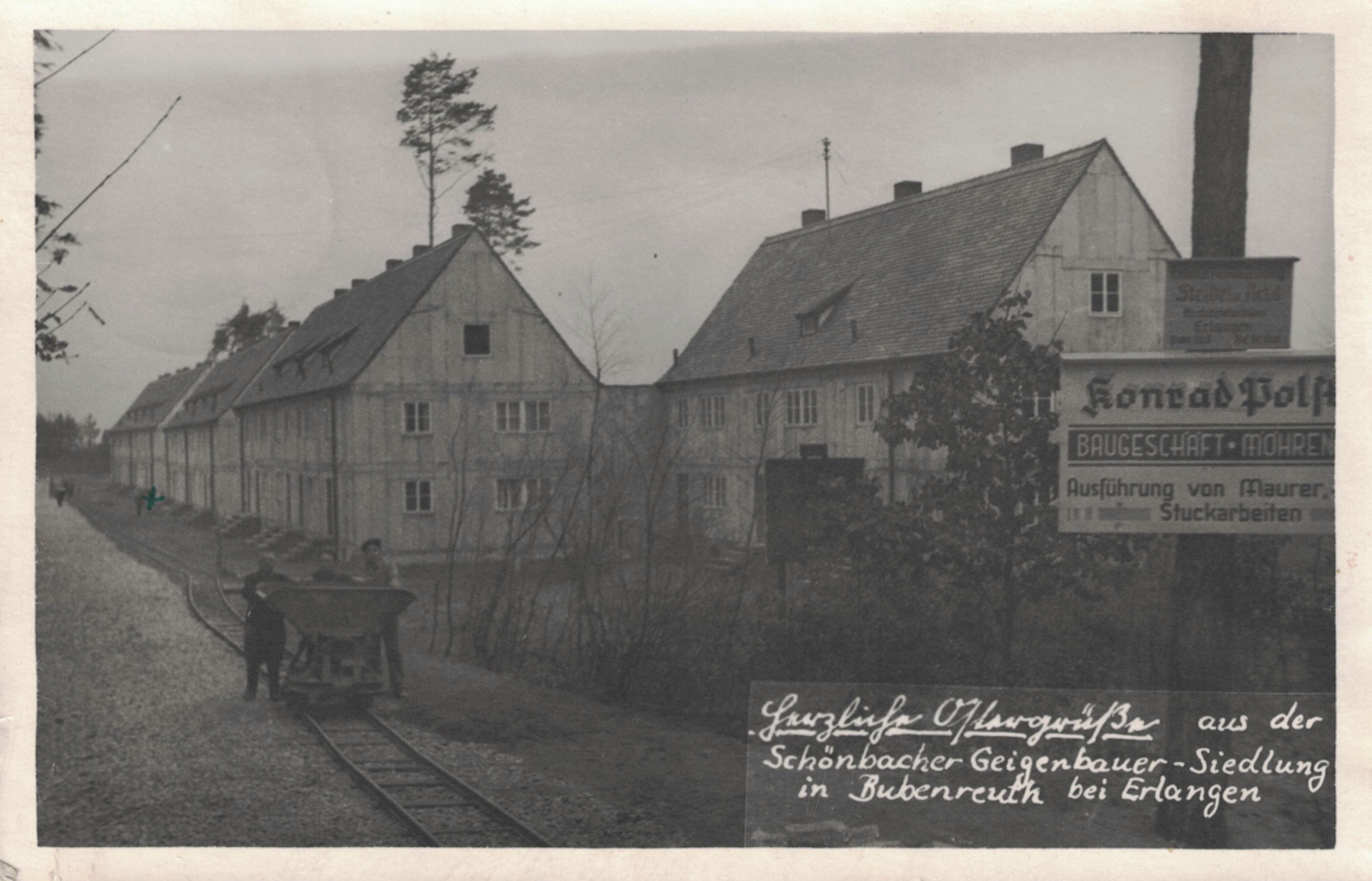
(Source: Bubenreutheum museum)
From 1945-48, in the course of the expulsion of about two million Sudeten Germans from Bohemia, several thousand instrument makers left their homeland. Most of them fled to western Germany.
The establishment of large manufacturing companies such as Höfner and Klier in places like Brienz (CH) or Mittenwald (GER) was not successful.
Immediately after the war, there was a lack of political will and vision. The local instrument makers were also afraid of competition.
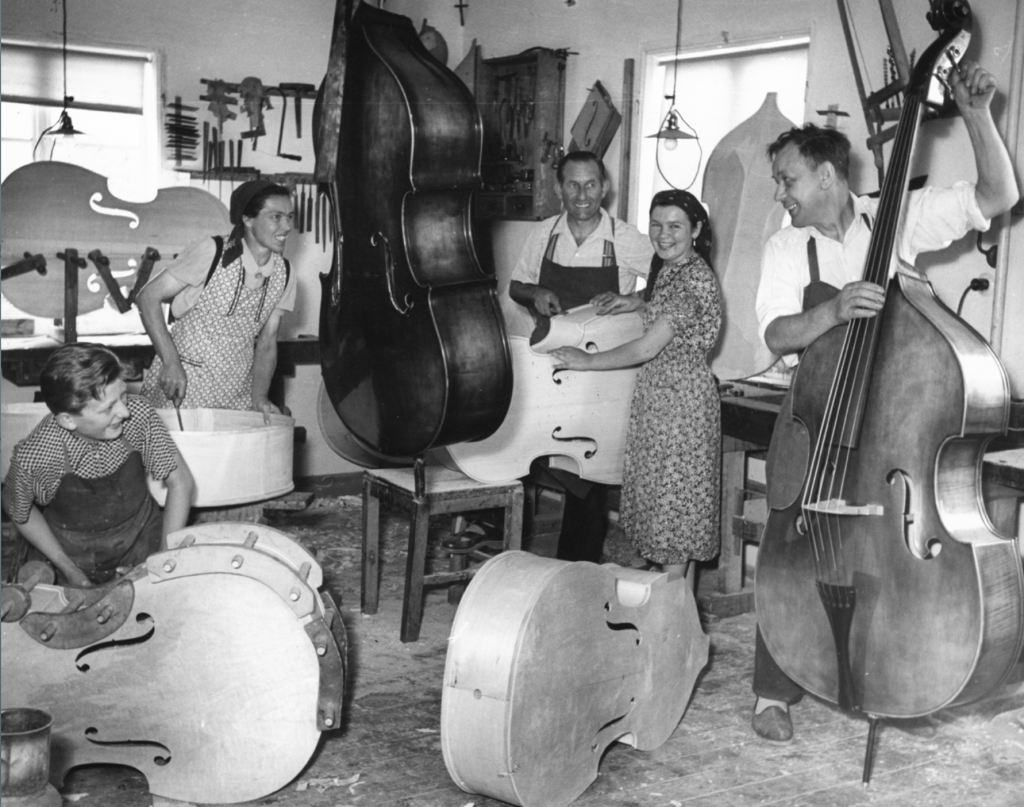
This was not the case in the small Franconian community of Bubenreuth. In the 1940s, it had about 500 inhabitants and agreed to take in the Sudeten German businesses.
Almost 2,000 people found a new home in the specially established ‘violin maker’s settlement’ and set up the first production facilities for stringed instruments in post-war Germany. Within two years, the factories were able to build on the previous successes.
After 1953, they were joined by other companies from Markneukirchen in East Germany, who fled their old homeland to escape the threat of expropriation.
↗ Demonstration workshop / history of the Swiss School of Violin-Making, Brienz / the introduction of new industries