

From the archaic to the style-defining
Violin making in Brescia developed in the middle of the 16th century, at about the same time as in Cremona, which was not far away.
Violin makers such as Michelli and Peregrino Zanetto (c.1520 - c. 1603), Gasparo Bertolotti ‘da Salò’ (1540-1609) or later Giovanni Paolo Maggini (1580-1630) built instruments that differed greatly in both construction and style from the Cremonese instruments. The method of construction on an internal mould, which was established in Cremona, was not initially known in Brescia. Here, the instruments were still ‘built on the sawn-out back’, as was also customary at the time north of the Alps.
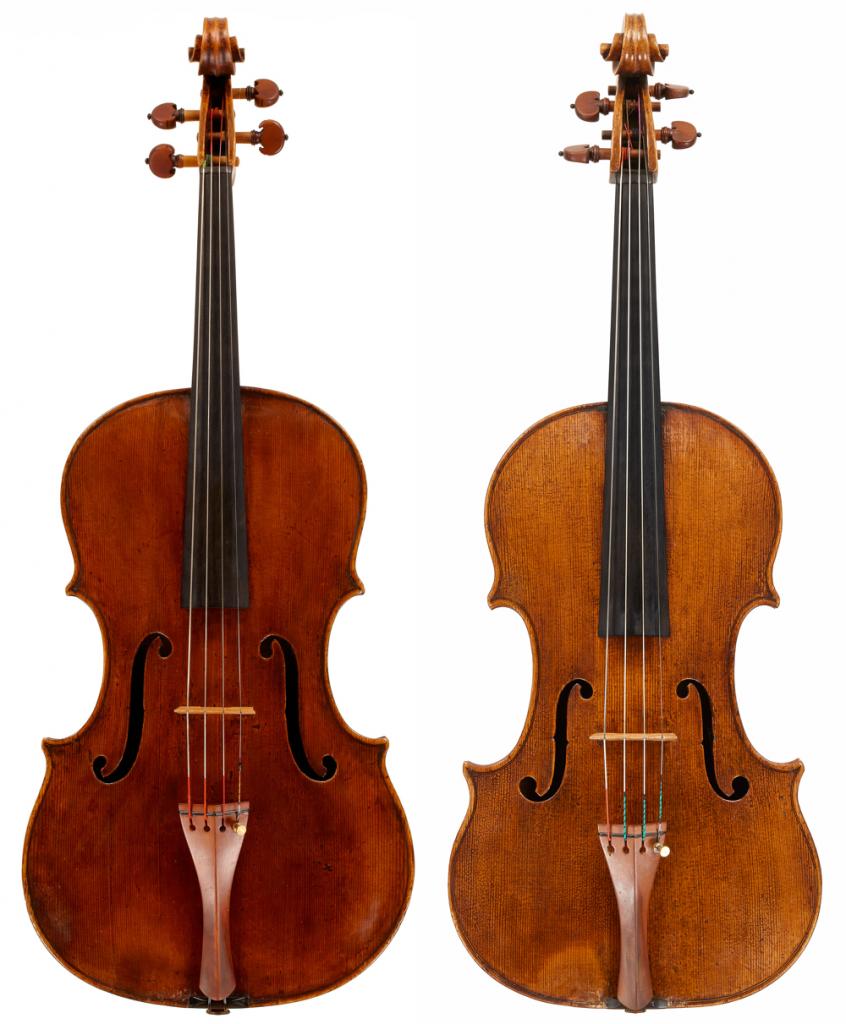
The archaic nature of many Brescian instruments, however, is no less influential in style than the meticulous, perfectly formed style of the Cermonese masters. English violin makers of the 17th century, for example, often took their cues from Brescian models. Giuseppe Bartolomeo Guarneri ‘del Gesu’ (1698-1744), one of the great Cremonese masters, was obviously influenced by the styles of Gasparo da Salò and Maggini.
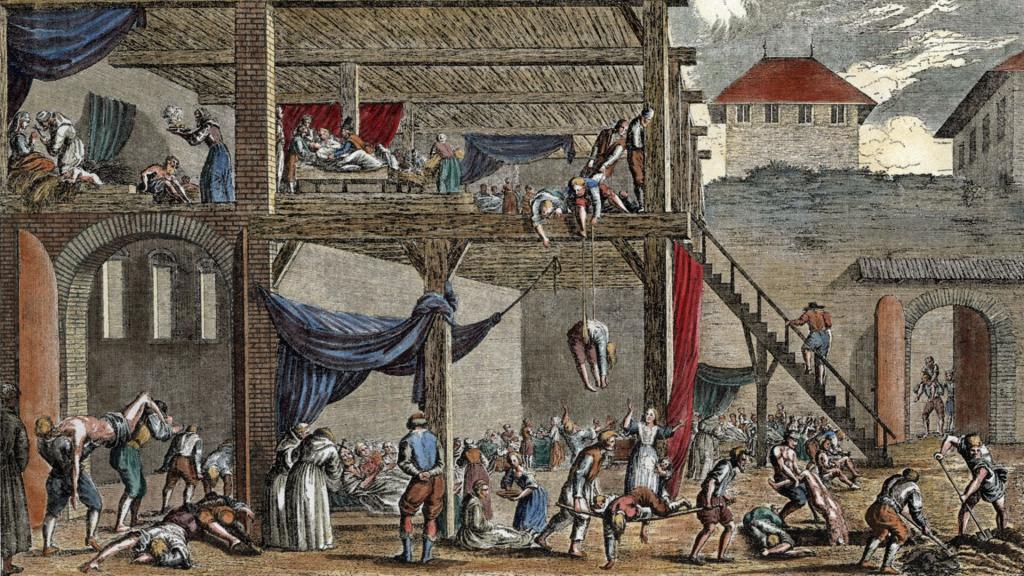
The plague of 1630, which also claimed the life of Giovanni Paolo Maggini, brought the Brescian heyday to a temporary end.
It was not until around 1664 that the violin-making tradition was resumed with the arrival of Giovanni Battista Rogeri (1642-1705), who had learned his trade from Nicolo Amati in Cremona.