

Centre of early violin making
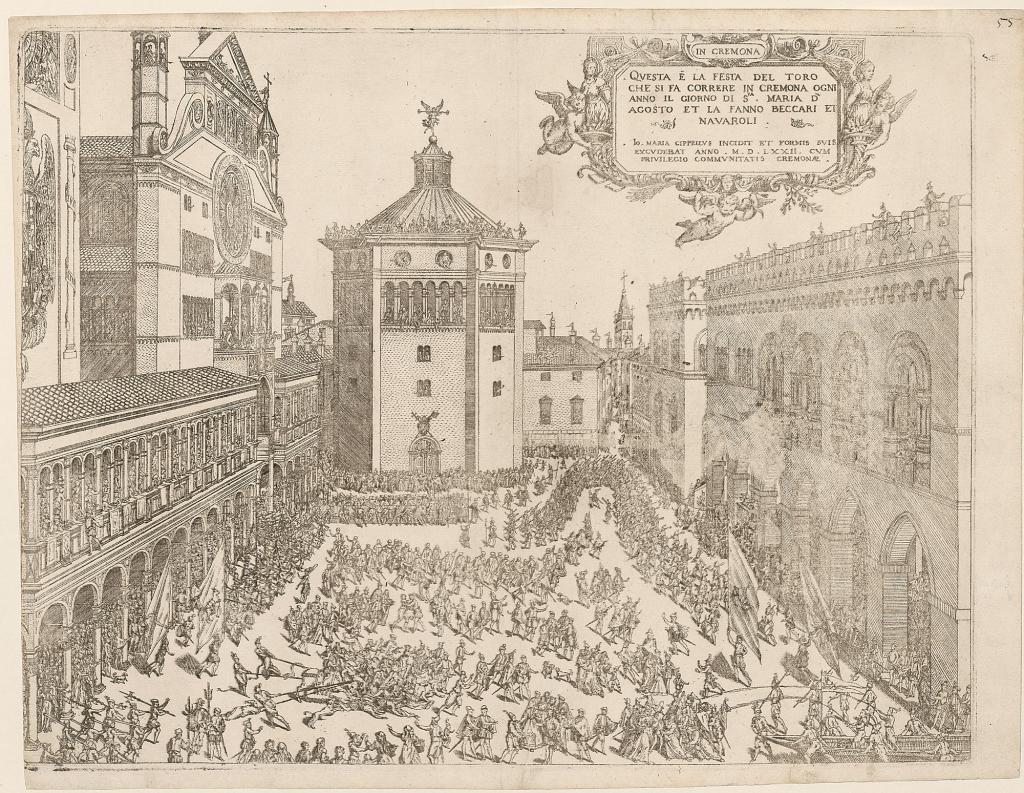
In the 16th and 17th centuries, European princes and kings were the patrons of entire instrumental ensembles. Violin makers from the Amati, Guarneri, Ruggieri, Bergonzi, and, last but not least, Antonio Stradivari families helped to shape the golden age of violin making in Cremona.
After Stradivari’s death, Cremona quickly waned in importance as a centre of violin making. It was not until the 1950s that it regained its prominence, not least through the founding of the international violin making school, associations and consortia, as well as museums.
Today, about 200 violin makers live in and around Cremona.
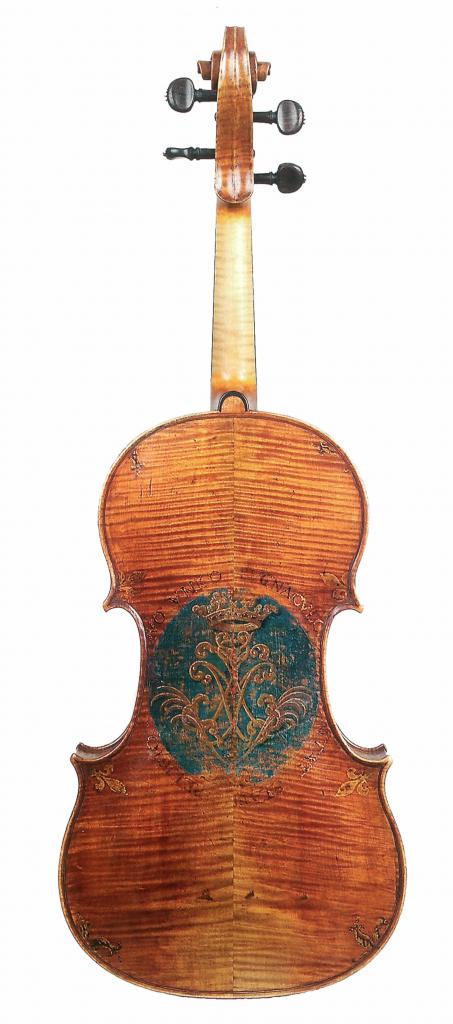
Andrea Amati, father of a violin making dynasty and founder of the violin making tradition in Cremona, is considered a key figure in early violin making.
The violin models designed by Amati stand out from other early violins due to their remarkable perfection of form. He is also credited with developing the internal mould method of construction, which became established in Cremona and later throughout Italy. Amati’s models were further developed by his sons and their pupils over a period of 200 years with subtle changes.
Among Andrea Amati’s instruments are some bearing the coat of arms of the French King Carl IX and his motto: ‘Pietate et Iustitia’ (piety and justice).
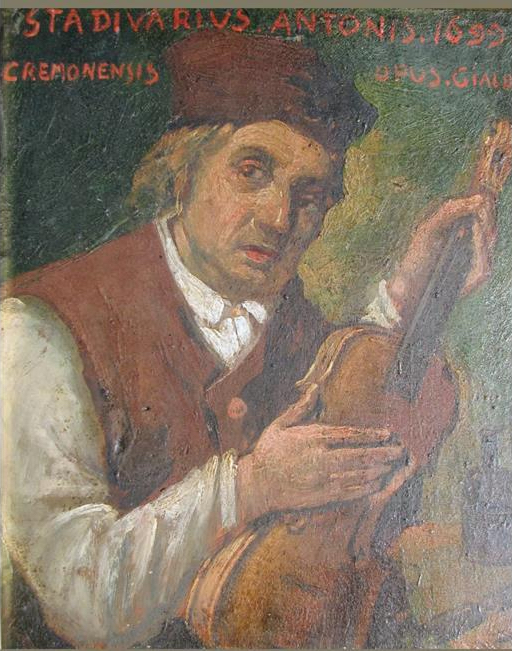
Antonio Stradivari (ca. 1648-1734)
Antonio Stradivari may have learned his craft from Nicolo Amati (1596-1684), grandson of Andrea Amati. During his 70-year creative period, he probably built more than 1,000 instruments, of which about 650 are still preserved today. In particular, the instruments of the golden period (c. 1700 - c. 1720) are considered to be the pinnacle of the art of violin making.
Copy of a letter from the envoy Ferdinando de Medici to Antonio Stradivari in 1690:
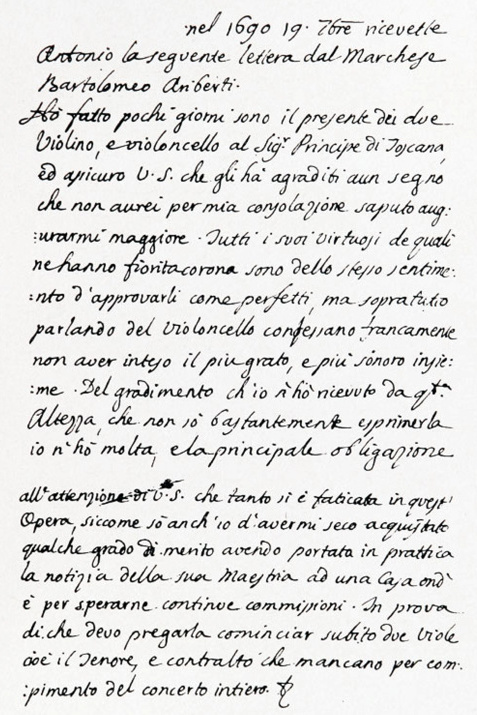
‘A few days ago, I gave the Prince of Tuscany the two violins and the cello and I can assure your Honour that they pleased him so much that I could not have wished for more... As proof of this, I must ask you to immediately begin the construction of two violas, a tenor and an alto, which are lacking in order to complete the entire ensemble.’