

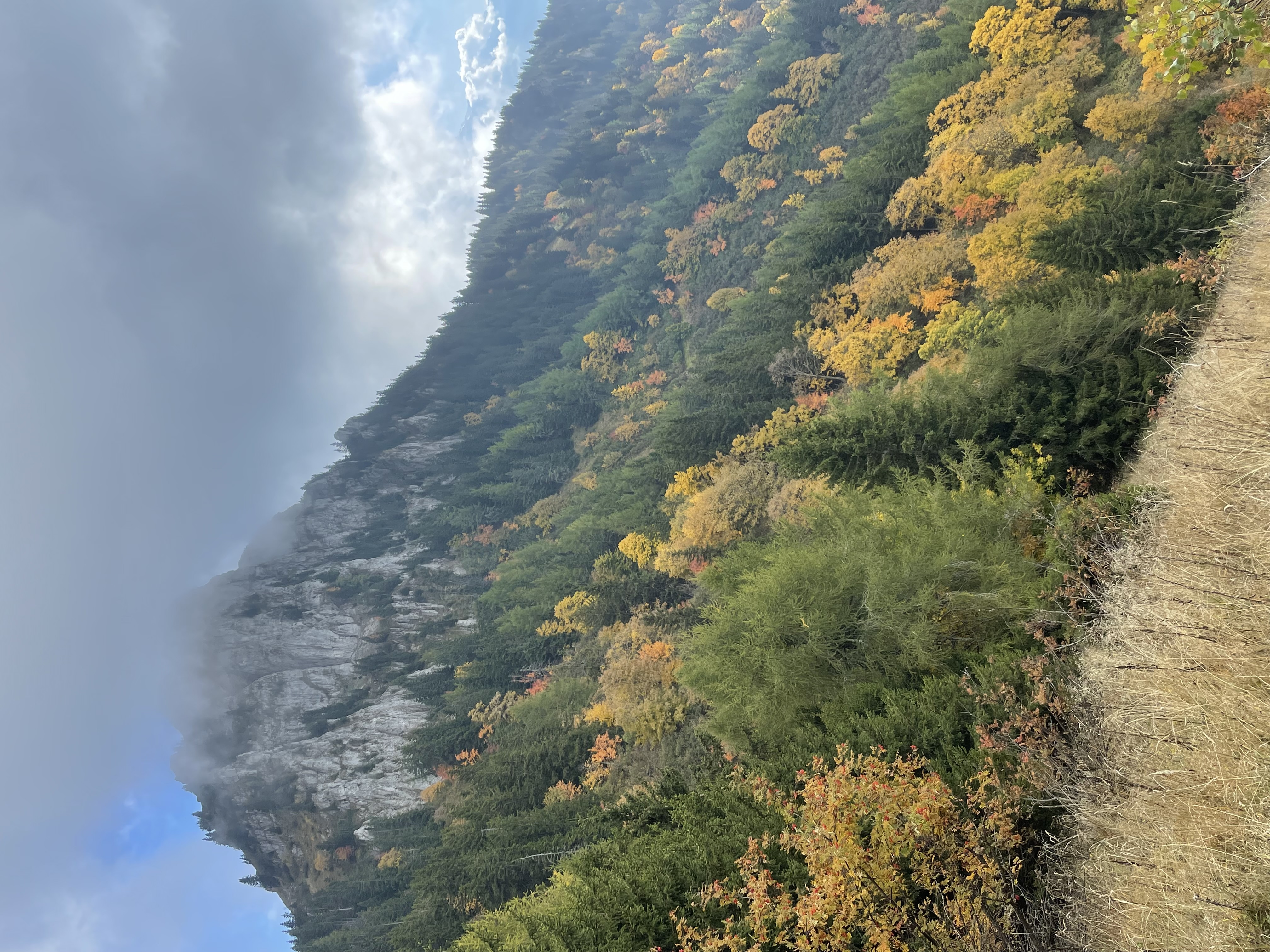
Dendrochronological studies suggest that many 17th and 18th century violin makers obtained their spruce wood from the southern alpine valleys (e.g. South Tyrol). The sycamore maple, however, was often sourced from the Balkans (e.g. Bosnia) and imported via the Italian ports.
But the northern alpine valleys were also key suppliers of raw materials for violin making for centuries as well. When it comes to the quality of wood, the climatic location and they type of forest management play decisive roles. For instance, suitable spruce wood is preferably found in mountain forests 1,000 metres above sea level, on sunless, rather flat and wind-protected slopes.
The sustainable management of the forest over centuries is also crucial. In “Plenterwalds”, also known as selection forests, which are managed particularly carefully, the highest quality wood for violins can be sourced.
Why? In Plenterwalds, only individual trees are felled from the population. Protection forests have the function of protecting the environment from erosion, avalanches and rockfall. In Switzerland, there are about 6,000 km2 of protection forests. This corresponds to approximately 40% of the country’s forested area.