

Although the violin is often the centre of attention, it is the bow that brings its sound to life. Its evolution since the 17th century is closely linked to the history of violin making.
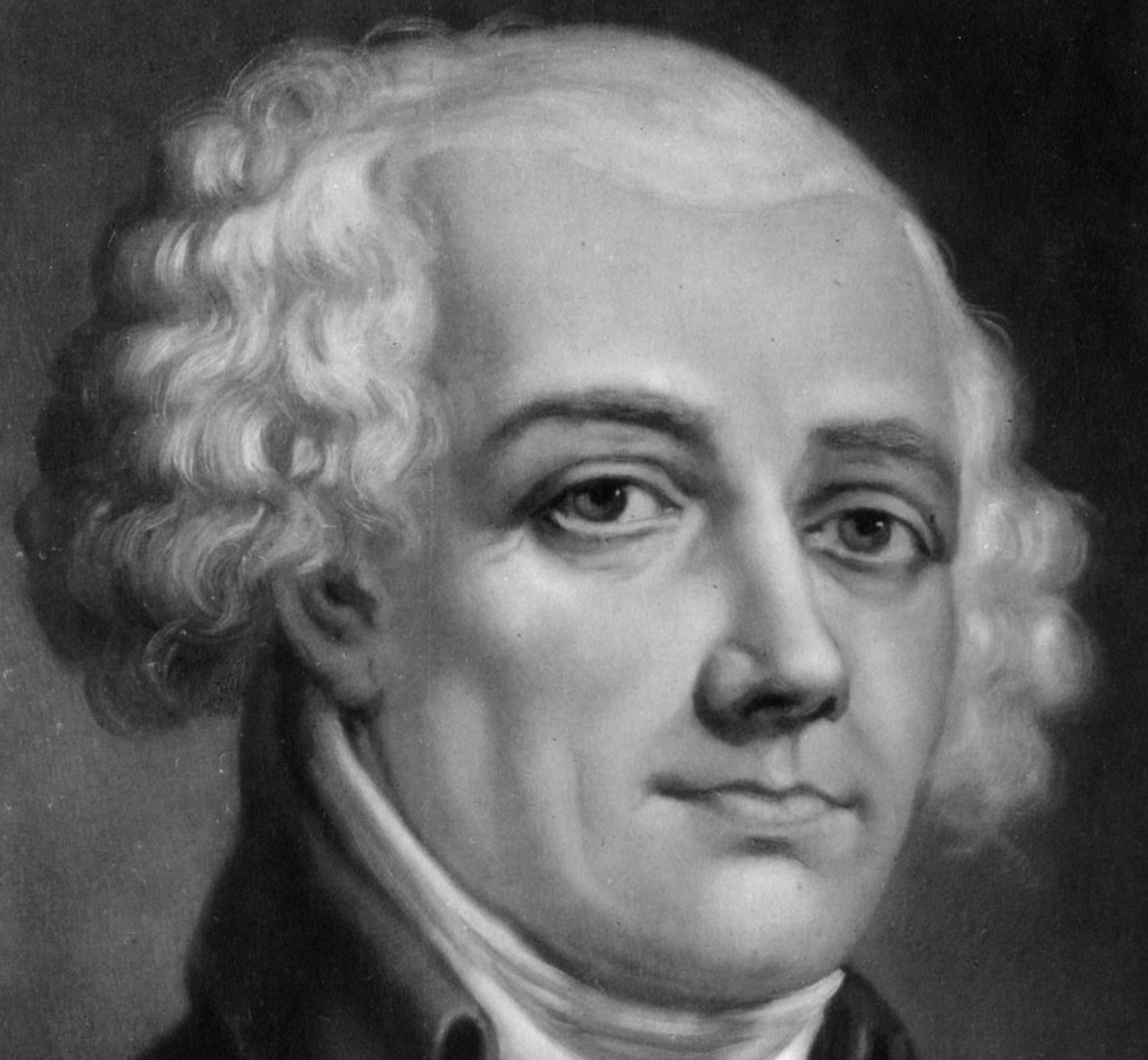
When Italian violinist G. B. Viotti performed for the first time in Paris in 1772, he electrified the audience with his playing. In collaboration with bow makers Leonard and François Xavier Tourte, he developed a bow that enabled a fundamentally new playing technique and revolutionised the violin. ‘The bow is the violin,’ he summed up laconically.
History of the bow
Originating in Central Asia, the bow spread in various forms throughout the Arab and Byzantine worlds and then to Europe. With the emergence of the violin in the 16th century, the bow also developed. Horsehair was attached to a more or less curved (convex) stick and tensioned using a wooden wedge.
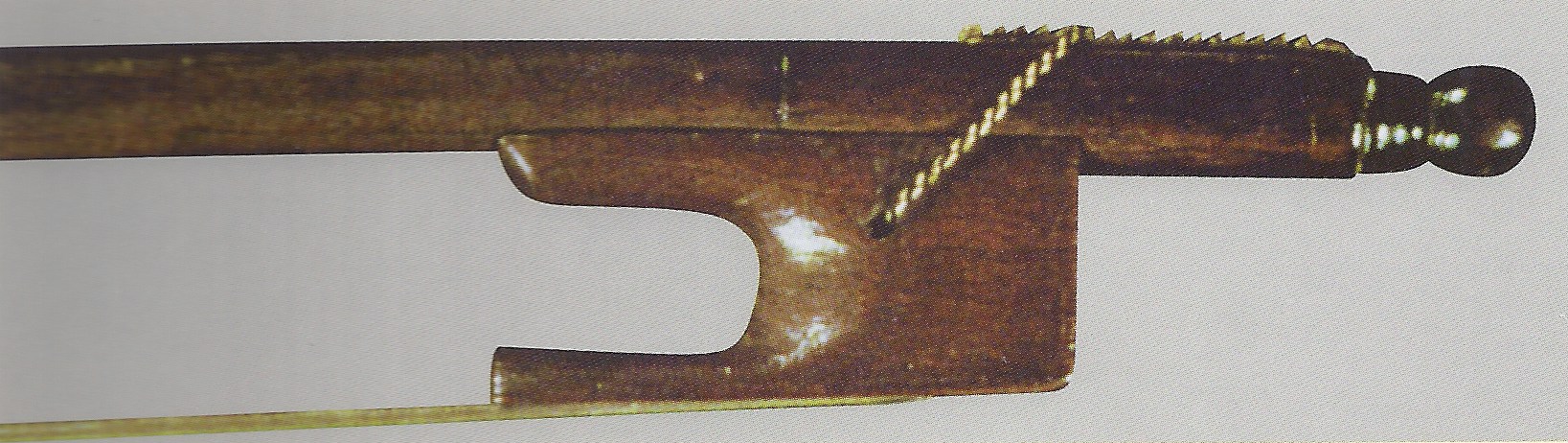
Until the beginning of the 18th century, the tensioning mechanism was perfected, for example with the so-called ‘Cremaillère- mechanism’ (Photo 3)
While the first bows were still made from local woods such as beech, willow or larch, tropical woods were already being used in the 17th century. Since the end of the 18th century, pernambuco wood has been used for bow making.
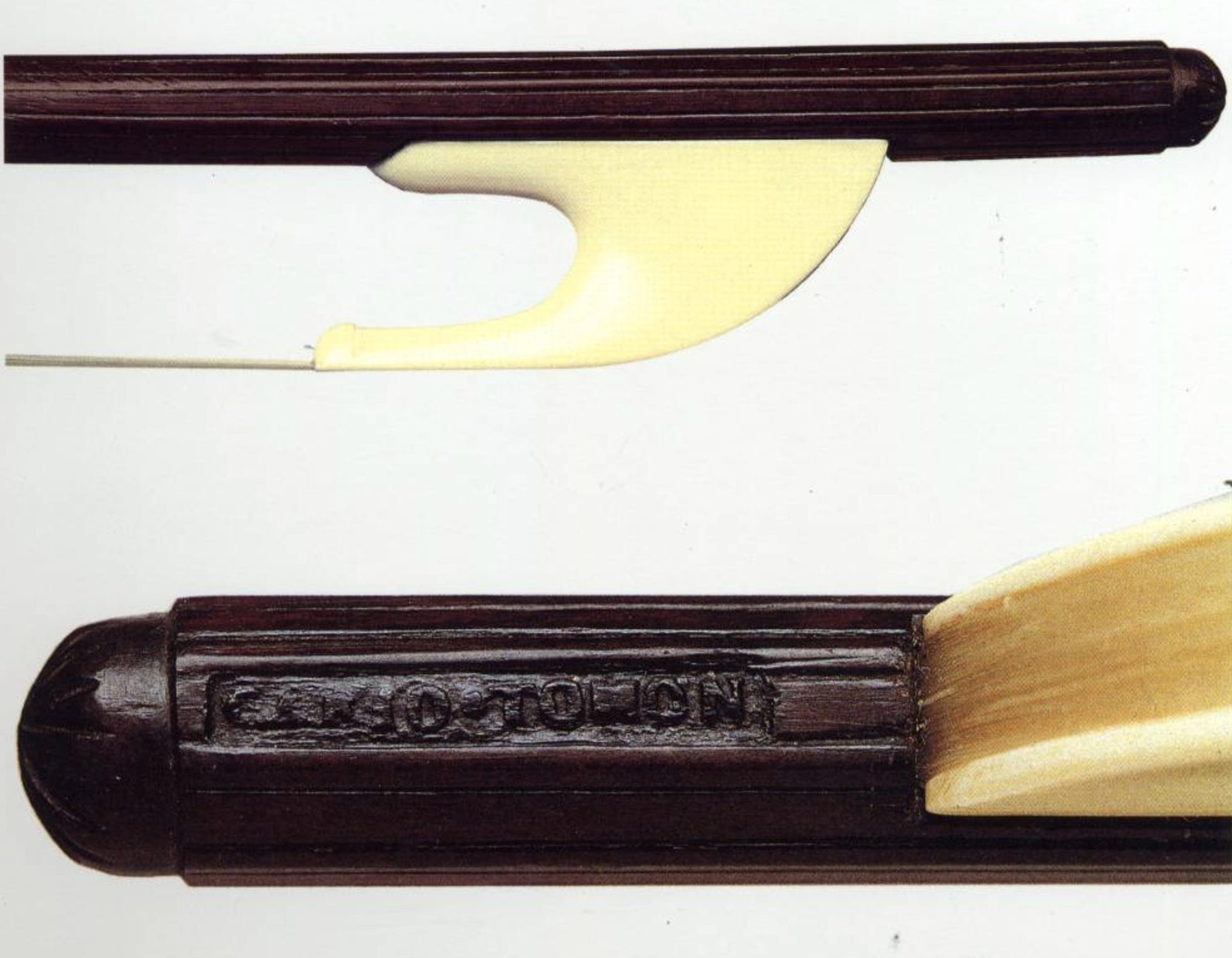
Until the mid-18th century, bows were made by the instrument makers themselves and were not marked with their names. One of the first bows stamped with the name of its maker is an example by the Venetian instrument maker Carlo Tononi, dating from around 1740 (Photo 4).
The development of the violin in the 18th century led to further modifications to the bow. The sticks were curved more flatly, the shape of the heads changed and the tension mechanism was replaced by a screw mechanism. (Photo 5)
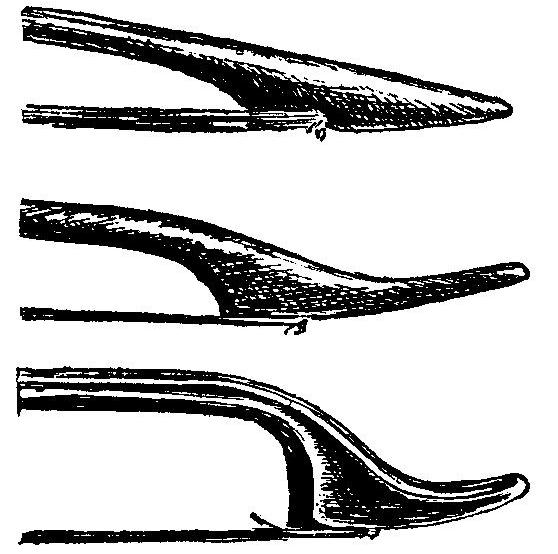
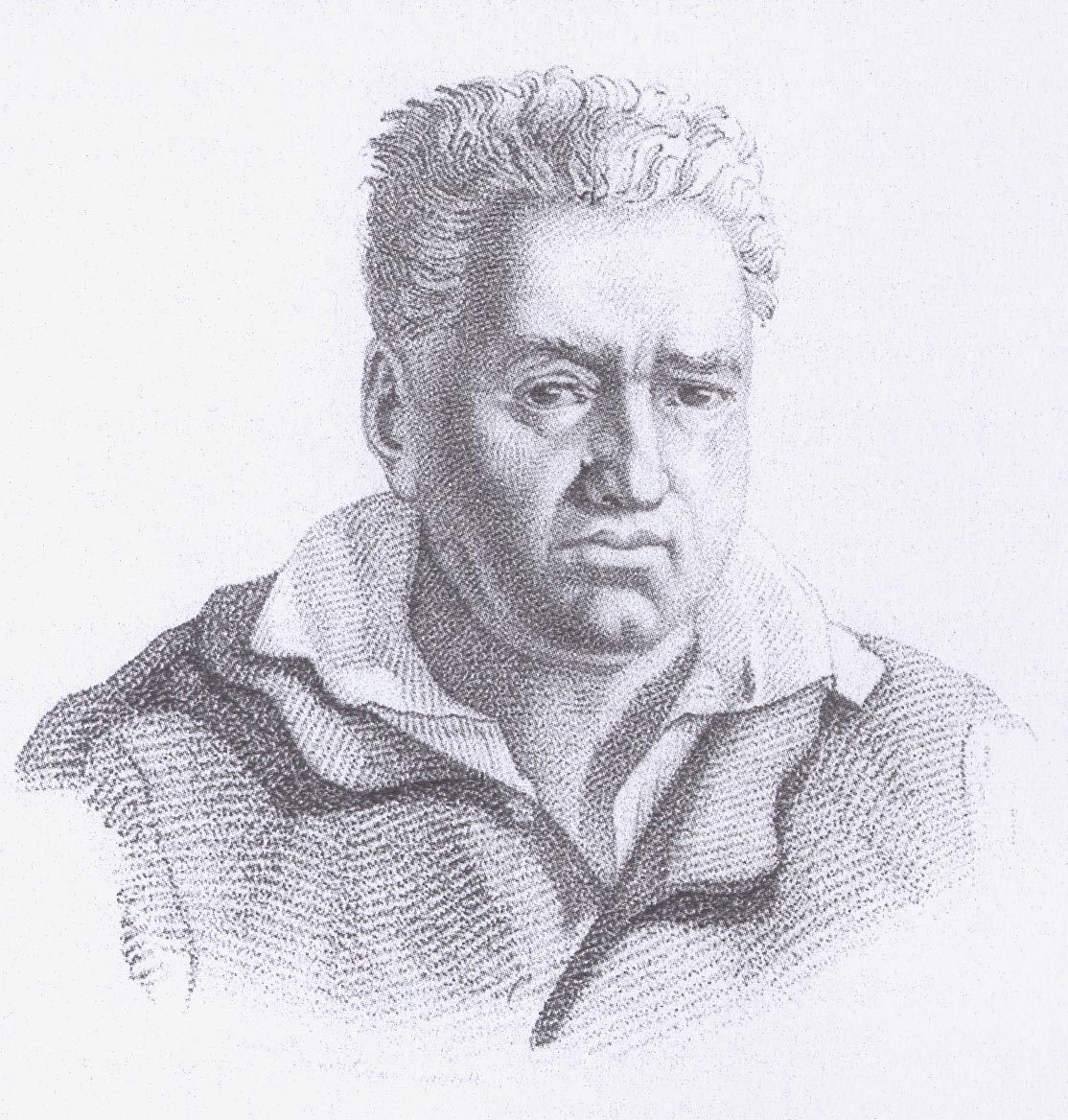
The German violinist Wilhelm Cramer (1746-1799) developed, in collaboration with bow makers, a type of bow with a hammer-shaped head .
However, none of these modifications were as profound as the new design by G. B. Viotti and the Tourte brothers (around 1772). The concave curvature of the stick, the shape of the head and the new frog ring, which distributes the hairs over a wider band, enabled completely new playing techniques.
In the 19th century, the art of modern bow making reached its peak, particularly in France, Germany and England, thanks to the work of renowned bow makers.
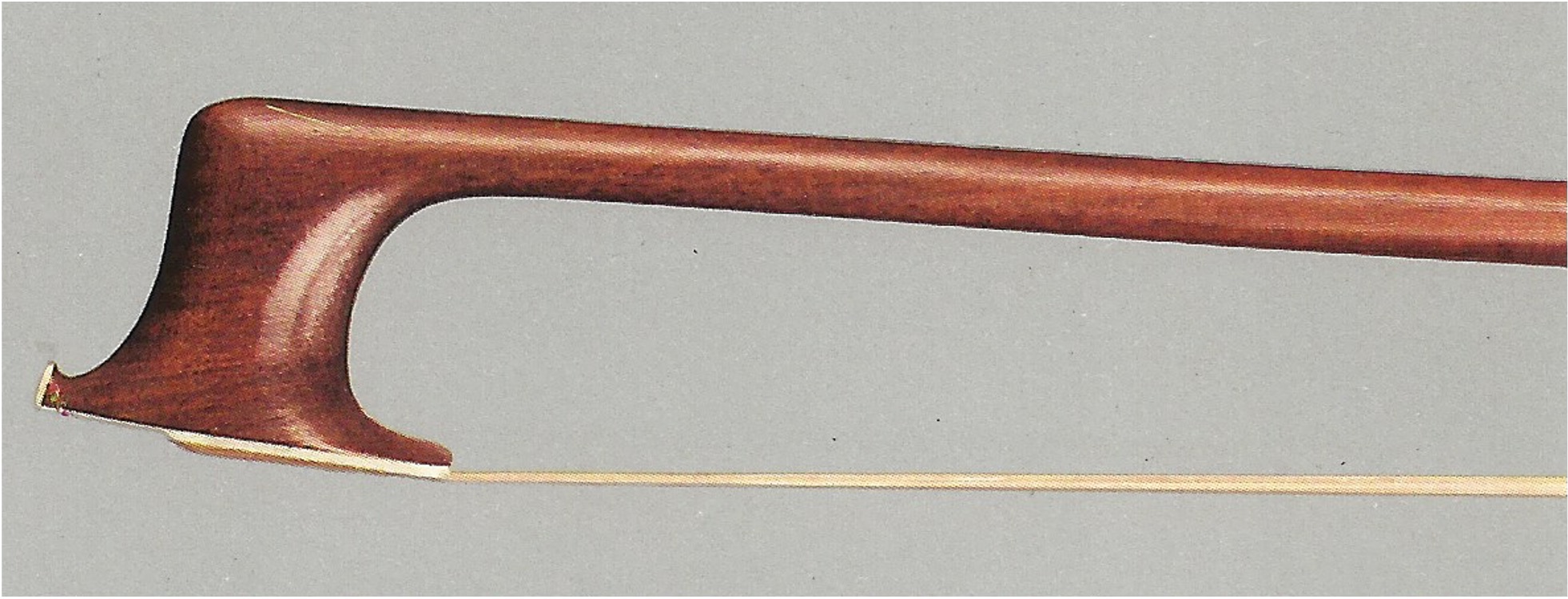
Renowned bow makers
- François Xavier Tourte (1747–1835)
Tourte is considered the ‘father of the modern bow’. He designed a new bow shape, perfected the frog and established pernambuco as the standard wood. - Nicolas Léonard Tourte (1746–1807)
Brother of François Tourte, he developed the first variants of the modern bow. His work influenced subsequent generations of luthiers. - Jean-Baptiste Vuillaume (1798–1875)
Renowned luthier and merchant. He trained the greatest bow makers of his time in his workshop. - Dominique Peccatte (1810–1874)
A student of J.B. Vuillaume, he created bows with a robust profile and innovative head. His works are renowned for their stability and expressiveness. - François Nicolas Voirin (1833–1885)
He perfected a finer, more elegant bow shape, offering great flexibility of play. His influence extends to the French art of violin making in the 20th century. - Eugène Sartory (1871–1946)
An important French luthier of the early 20th century. Famous for his perfectly balanced bows, which are characterised by their playing comfort and clear articulation. One of the most copied luthiers. - Emile Auguste Ouchard (1900–1969)
He brought the French tradition of stringed instrument making into the modern era. His bows are known for their power and flexibility. - James Tubbs (1835–1921)
The greatest English stringed instrument maker, he combined French elegance with British robustness. His work was appreciated by the greatest virtuosos.
Endangered resources
Modern bow making faces major challenges
Pernambuco wood that is traditionally used to make high-quality violin bows is seriously endangered. Strict protection measures and trade restrictions are aimed at preventing the extinction of the Pernambuco tree, but they also make it very difficult to source. Alternatives such as carbon fibre-reinforced bows or other types of wood are being tested, but the sound and feel of Pernambuco remain unique.
You can find more information on this topic at the station opposite:
>> Von Hölzern und Wäldern / Gefährdete Bestände >> Wood and forests / Endangered species