

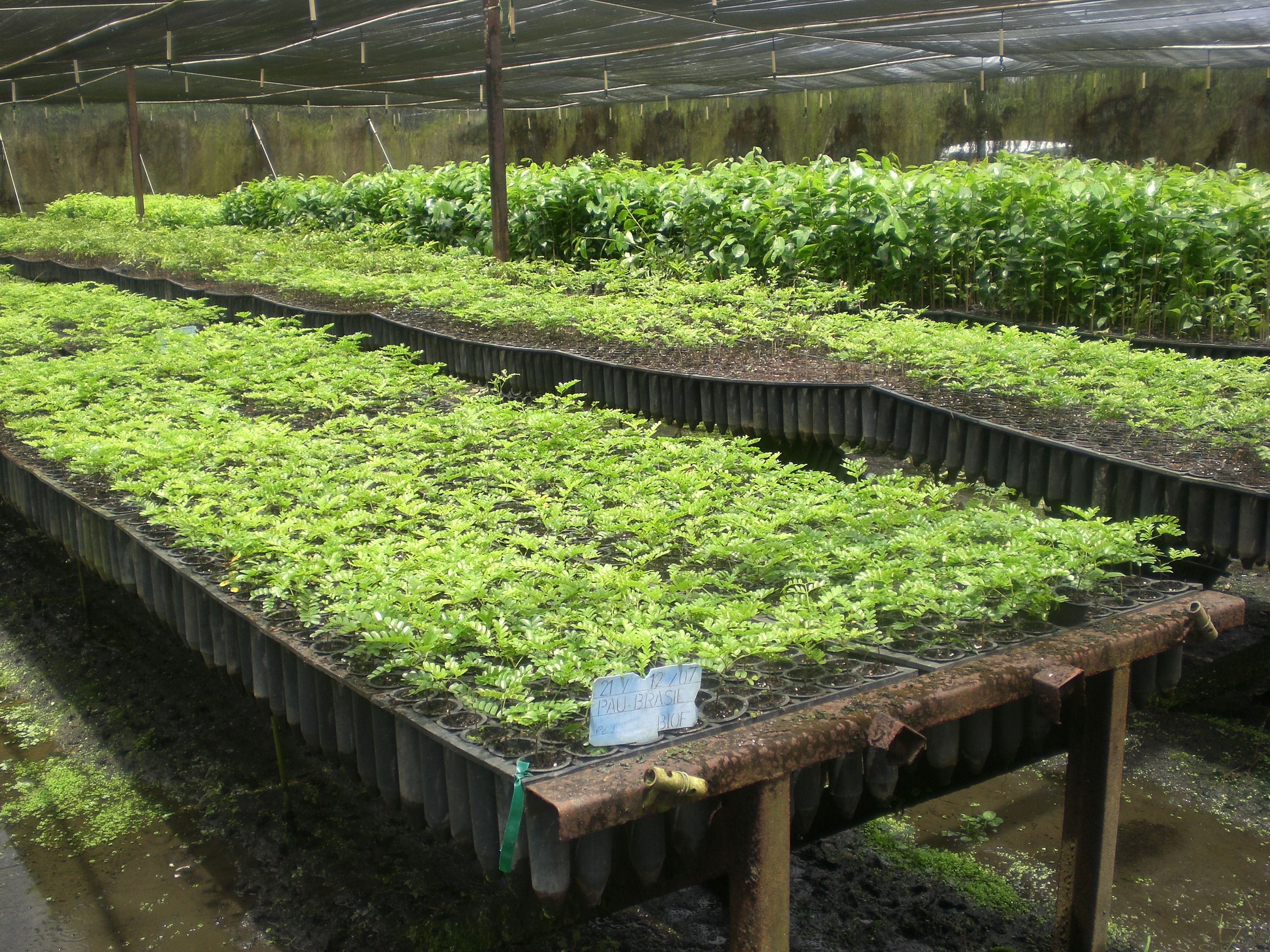
Since the Middle Ages, ‘redwood’ from India, Sumatra and Ceylon has been exported to Europe as a dye. Since the 16th century, Brazilian ‘pau brasil’, which was shipped in huge quantities in arm-thick blocks as dye-wood, was preferred. But pernambuco wood was also in demand for construction timber, wood turning and the production of high-quality furniture and bows for stringed instruments. Due to its ideal combination of weight, flexibility and strength, this wood is still considered unrivalled by bow makers today.
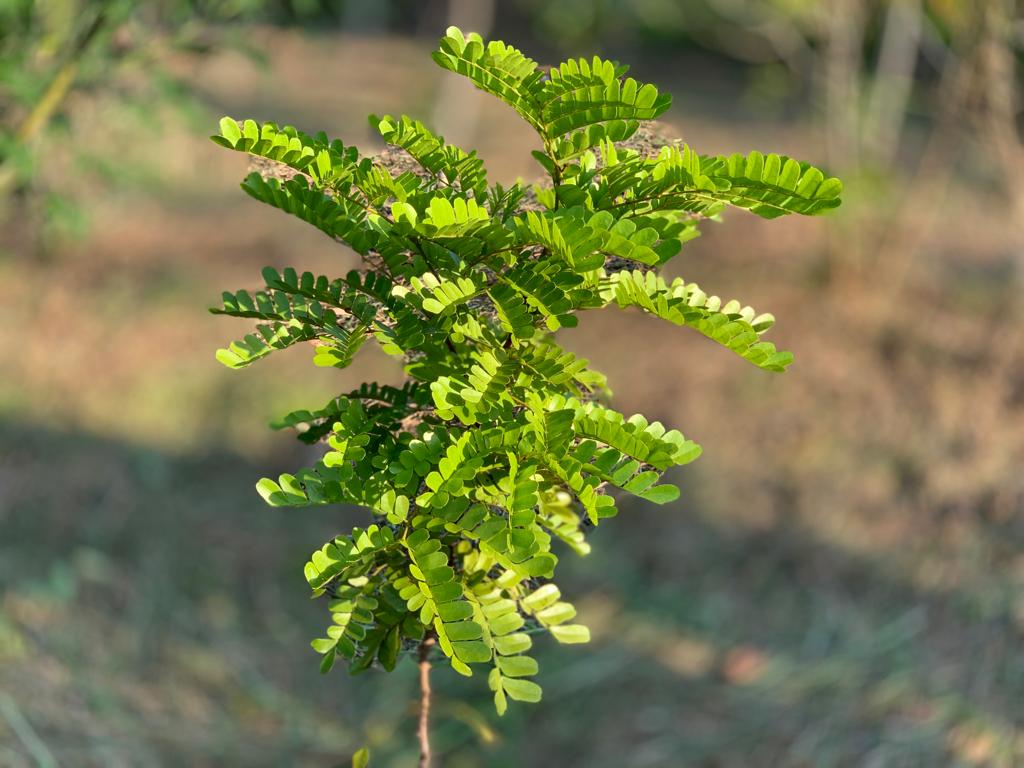
The early exploitation of pernambuco wood led to the destruction of large forest areas on the Atlantic coast of Brazil and the extensive decimation of this species, which is now protected. The IUCN (International Union for Conservation of Nature and Natural Resources) has listed Caealpinia in the Red List of Threatened Species since 1998. The wood is also protected by the Convention on International Trade in Endangered Species of Wild Fauna and Flora (CITES). Since 1992, it has been included in the list of endangered plant species in Brazil compiled by IBAMA (Brazilian Institute for the Environment and Renewable Natural Resources).
In 2004, 250 bow makers joined forces to form the international initiative IPCI (International Pernambuco Conservation Initiative). Their goal is to save the pernambuco tree through reforestation and to sustainably safeguard the availability of this coveted wood. In cooperation with local organisations and farmers, a project was implemented that involved the cultivation of 250,000 seedlings. The trees were planted in a mixed nursery with cocoa plants in order to provide the farmers with yields. In just a few years, the number of plantings will exceed the number of trees that have been felled for bow making since the 18th century.