

When searching for the optimal tonewood, violin makers also took into account the fact that the Italian masters of the 18th century used wood that had been transported mainly from the alpine region and the Balkans by rafting.
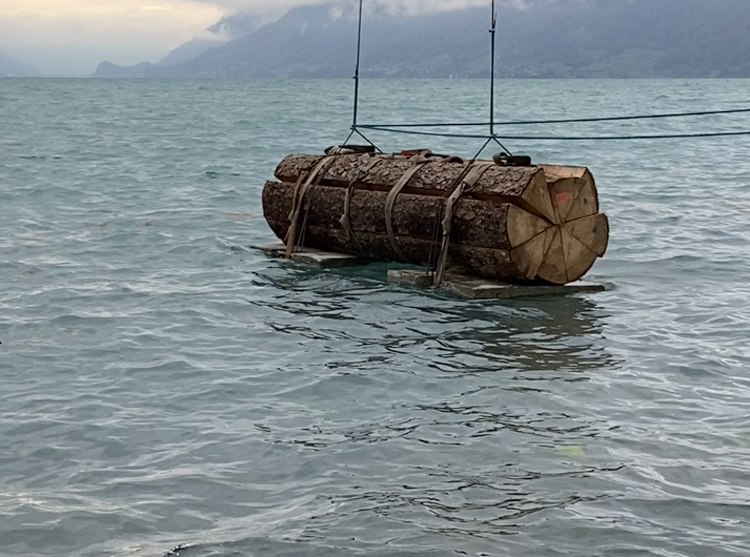
We also know that in Venice, for example, wood was stored in the waters of the lagoons before being cut to prevent insect infestation. The long floating of the logs in the water changed important properties of the wood. In particular, due to the flushing out of minerals and nutrients, the wood dried faster than wood that was not in water. It also became somewhat lighter and warped less. These properties are beneficial for the construction of violins. Even today, the floating of freshly felled wood is still practised for several weeks, especially in flowing waters.